
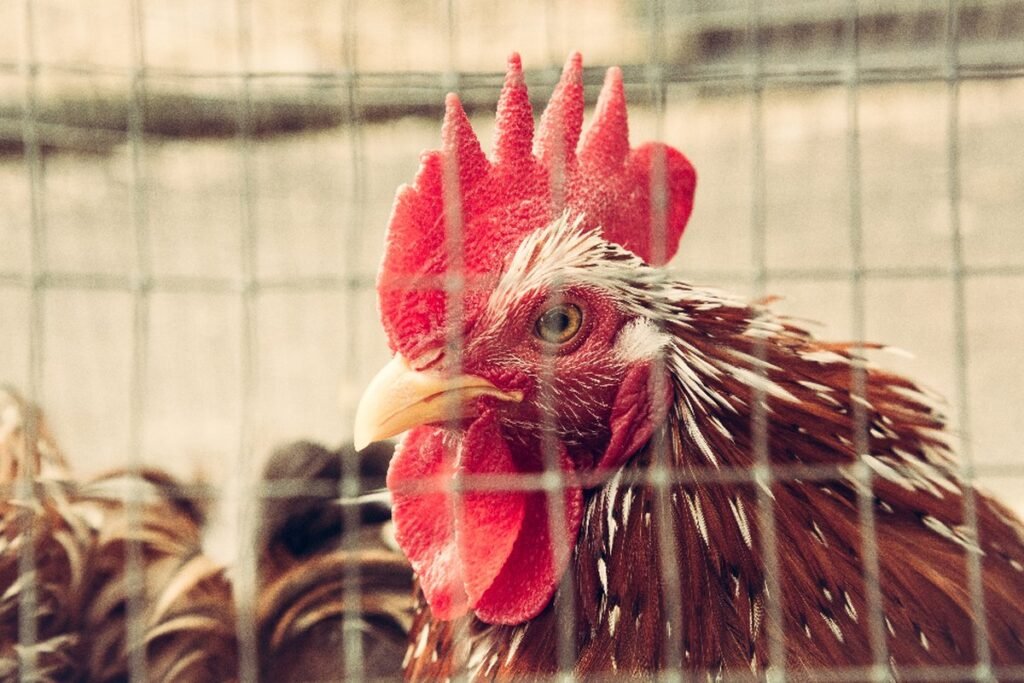
Six hens sounded cheap. Then I added up year one. Spoiler: the eggs were not free, but the math is more interesting than the cliche, and it is exactly the kind of line-item breakdown behind what I write about.
The upfront line items
Coop and run, feeder and waterer, brooder setup, and the birds themselves. That capital cost is what people conveniently forget when they say chickens pay for themselves. University of Minnesota Extension is blunt about it: buying commercial eggs can actually be cheaper than producing them on a small scale.
Feed is the real story
Layer feed, grit, and bedding are the recurring cost, and they scale with your flock and your winter. In a Zone 5 winter, birds eat more just to stay warm. If you want to build a real budget, Penn State Extension publishes worksheets for small-scale egg production costs.
Break-even per dozen
Spread year-one capital across the eggs actually laid and the first dozens are absurdly expensive. By year two, once the coop is paid off, the per-dozen cost drops below store price, if your hens keep laying through the cold. Curious how I run every number like this? Read my approach.