
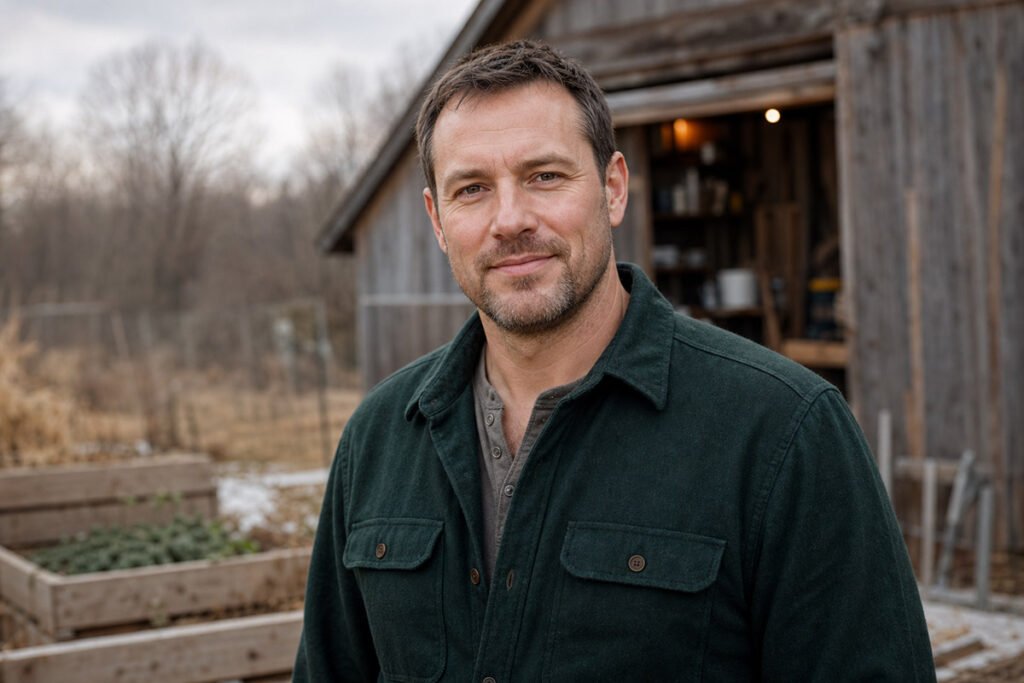
Purchasing rural property can be an exciting opportunity for buyers seeking privacy, more land, or a quieter lifestyle. However, financing these properties often involves considerations that differ from purchasing a suburban or urban home. According to loan manager Officer Ryan Zarnowski, understanding the lending process before making an offer can help buyers avoid unnecessary delays and make informed financial decisions. With careful planning and realistic expectations, buying rural property with a conventional loan can be a smooth and rewarding experience.
Understand What Qualifies as Rural Property
The first thing that buyers need to know is that living in a rural area does not automatically mean they can’t get a standard loan. Many rural homes can get conventional mortgages as long as they meet the lender’s standards for condition, value, and marketability. Ryan Zarnowski says that buyers should look at the property’s overall eligibility instead of assuming that its location is the only thing that affects their financing options.
Many homes in the country are on bigger lots than homes in the suburbs. Most lenders will finance homes with acreage, but if the tracts are especially big, they may need more work to see if all the land adds to the property’s market value. When owners know this difference early on, it helps them focus their search on homes that are more likely to meet their needs.
Additionally, each lender checks to see if the land is mostly used as a home and not for business or farming purposes. If barns, workshops, or farming activities are present, additional documentation may be needed to clarify the intended use of the property. If you answer these questions early, you can avoid surprises later in the loan process.
Review Your Financial Readiness
One of the most important steps in the homebuying process is getting your finances in order before you start looking for a home. To see if you can get a conventional mortgage, lenders usually look at your credit history, how stable your income is, your employment, your current debts, and the assets you have access to. If you improve your financial situation before you apply, you may have more choices for both getting approved and borrowing money.
It’s important to save for both the down payment and the closing costs. Some conventional loans allow qualified borrowers to make relatively small down payments. However, having extra savings shows that you are financially stable and gives you more options when negotiating. Also, buyers should keep an emergency fund after the closing to cover any unexpected home costs.
Getting pre-approved for a mortgage before looking at homes helps you set a realistic budget and makes buy offers stronger. Most of the time, sellers like pre-approved buyers more because the buyers’ financing has already been checked out. When buyers find the right rural property, they can move quickly because they are ready.
Evaluate the Property Carefully
Many homes in rural areas depend on private wells, septic systems, dirt roads, and other types of infrastructure that are not provided by the city. Before completing the purchase, buyers should set up thorough reviews to check out these systems. Finding maintenance problems early on lets buyers negotiate repairs or set aside the right amount of money for future changes.
When conventional lending is used, a professional appraisal is also very important. Comparing the property to similar sales in the area helps the appraisal determine its market value. It may take more study and analysis to do an appraisal because similar rural properties may be spread out over a larger area.
Another thing buyers shouldn’t forget to consider is how accessible the home is. Easements, shared driveways, and agreements to maintain the road may change who owns what in the future. When buyers look over these legal details before the closing, it helps them fully understand the property’s benefits and drawbacks.
Work Closely With Your Loan Officer
Maintaining regular communication with your loan officer keeps the financing process moving efficiently. Responding promptly to requests for documentation allows underwriting to proceed without unnecessary delays. Organized financial records also reduce the likelihood of last-minute complications before closing.
Loan manager Officer Ryan Zarnowski Syracuse encourages buyers to ask questions throughout the transaction rather than making assumptions about lending requirements. Understanding timelines, appraisal expectations, and documentation requests gives borrowers greater confidence as they move through each stage of the mortgage process. Open communication also allows potential issues to be addressed before they become significant obstacles.
It is equally important to avoid making major financial changes while the loan is being processed. Opening new credit accounts, financing vehicles, or changing jobs may affect mortgage qualification. Keeping finances stable until closing helps preserve the original loan approval.
Prepare for Closing and Long-Term Ownership
After the loan has been fully underwritten and approved, the buyers should carefully go over all the closing documents. If you know about the loan terms, monthly payments, escrow requirements, and closing costs, there won’t be any surprises on the day of the close. More peace of mind comes from asking questions before signing.
When people move into a rural area, they should set up a regular maintenance schedule for things like wells, septic tanks, roofs, and access roads. Maintenance that stops problems before they happen helps protect the property’s worth and the owner’s investment over time. Long-term financial security is also helped by planning for ongoing maintenance costs.
Owning land in the country often comes with its own benefits, such as more privacy, bigger outdoor areas, and more options for future improvements. With careful planning and a realistic budget, buyers can get all of these benefits while still being able to afford to own a home.
Conclusion
Buying rural property with a conventional loan requires preparation, careful property evaluation, and a clear understanding of the financing process. By working with an experienced loan officer and staying organized throughout each stage, buyers can confidently navigate the path to homeownership. Officer Ryan Zarnowski emphasizes that informed decisions, open communication, and careful financial planning help turn the goal of owning rural property into a successful long-term investment.