
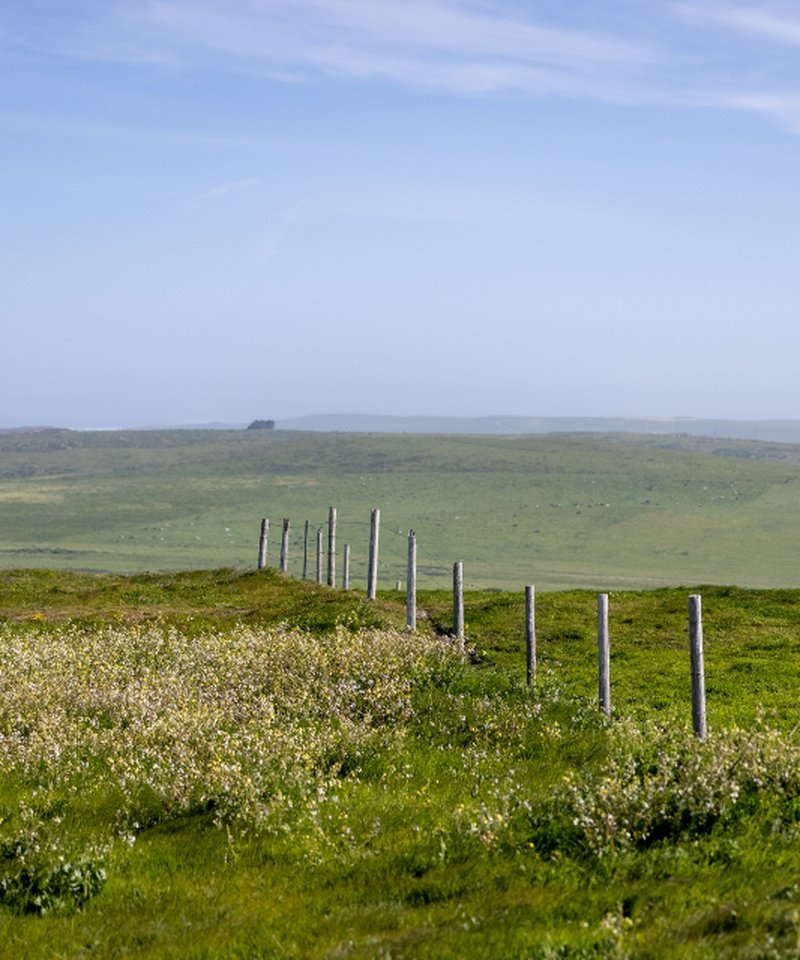
After fifteen years underwriting rural property loans, I watched plenty of buyers fall in love with the land and ignore the math. Here is the order I run the numbers in before signing anything, the same disciplined approach behind everything I cover.
Start with the true carrying cost
The purchase price is the smallest number. Property taxes, well and septic, road maintenance, insurance, and the cost of simply getting utilities to the building site can dwarf the mortgage. I total the annual carrying cost first, then divide by twelve, because that monthly figure is what you actually have to live with.
Get the financing right
Raw land loans are not home loans. Expect larger down payments and shorter terms. For genuinely rural parcels, a government-backed option such as the USDA Rural Development home and site loan programs often beats a conventional lender. Before you make an offer, it also pays to read Penn State Extension on owning and leasing agricultural real estate so nothing in the due-diligence process surprises you.
The one number that decides it
Total monthly carrying cost as a share of take-home pay. Under 15 percent and you have breathing room. Over 25 percent and the land will own you, not the other way around. If that number is too high, the fix usually starts with clearing consumer debt first.